
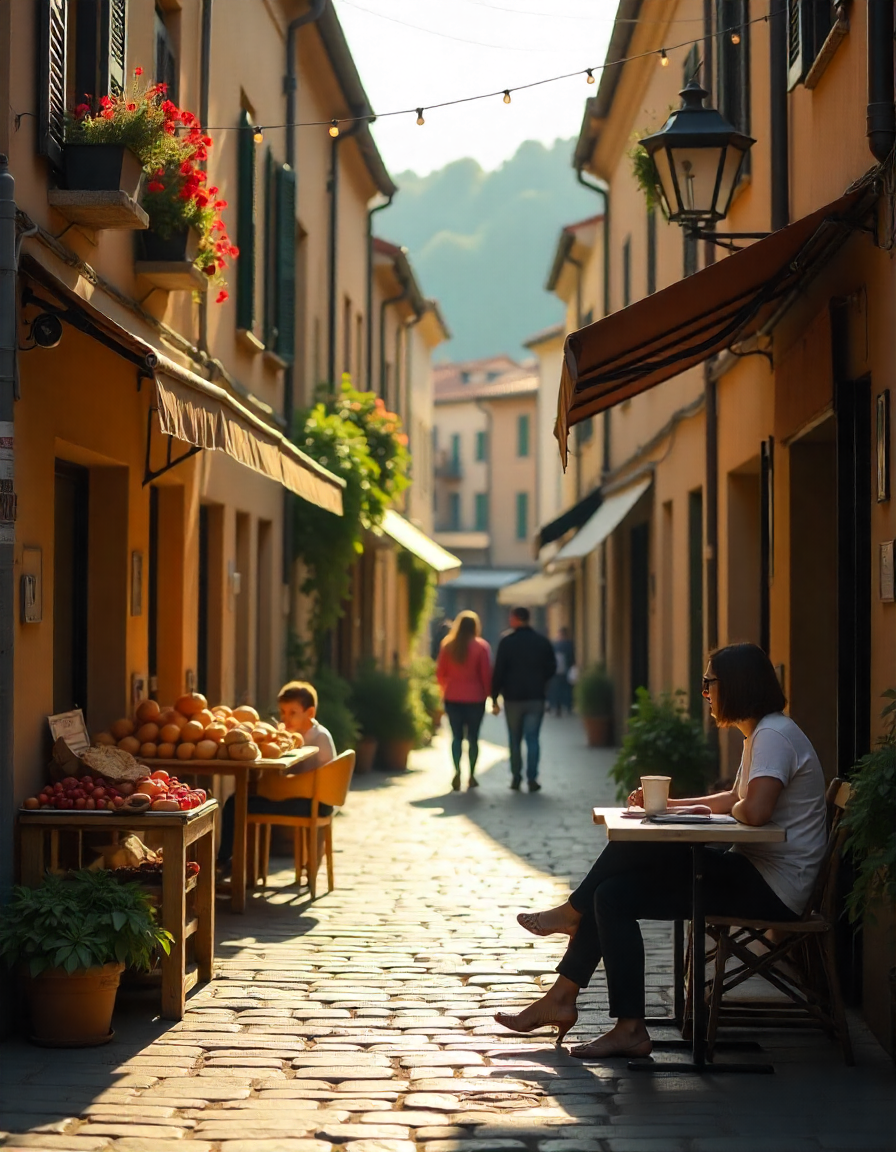
In an age of budget airlines, flash sales, and whirlwind itineraries, travel often feels like a race. The goal? See as many places as possible, as quickly as possible. Snap the pictures, tick the boxes, move on. But in the rush to “do it all,” something gets lost — the very essence of travel: connection, understanding, and presence.
Slow travel turns that approach on its head. It’s about staying longer, exploring deeper, and letting a destination reveal itself at its own pace. Rather than counting countries, you collect experiences. Instead of rushing through museums, you might spend an afternoon in a single gallery, chatting with a local guide.
1. What Slow Travel Really Means
Slow travel isn’t about moving at a snail’s pace or avoiding adventure. It’s about making intentional choices. Instead of cramming three cities into a week, you might spend all seven days in one, getting to know its neighborhoods, rhythms, and quirks.
It can mean renting an apartment instead of booking a hotel, cooking with ingredients from the local market, or joining community activities rather than sticking to the tourist trail. The idea is to replace “seeing” with “experiencing.”
2. Why Choose Slow Over Fast?
There are plenty of practical and emotional benefits to slowing down:
-
Deeper Cultural Understanding
Staying longer allows you to see beyond the postcard image. You notice how the light changes in the late afternoon, where locals actually eat, and the tiny details guidebooks miss. -
Lower Stress Levels
Fewer transfers, fewer check-ins, and less packing mean more time for enjoyment. Your days feel less like a logistical challenge and more like a genuine holiday. -
Budget Friendliness
Longer stays often come with discounts on accommodation, and cooking your own meals can offset costs. -
Environmental Considerations
Fewer flights and less transport reduce your carbon footprint.
3. Where Slow Travel Shines
Some destinations seem made for slow exploration:
-
Tuscan Villages, Italy
Spend a week in a countryside farmhouse. Walk to the village bakery, chat with the cheesemonger, and take evening strolls through olive groves. -
Kyoto, Japan
Staying in one district allows you to explore hidden temples, seasonal gardens, and neighborhood tea houses most tourists never find. -
Patagonia, Chile & Argentina
The vast landscapes reward patience. Spend days hiking the same area, watching how weather and wildlife change. -
Coastal Kerala, India
Rent a houseboat for several days and drift through the backwaters, stopping at tiny villages along the way.
4. Tips for Embracing Slow Travel
1. Stay in One Place Longer Than You Think You Need
If a city “requires” three days according to travel blogs, consider doubling that. You’ll see the sights and have space for spontaneous moments.
2. Learn a Few Local Phrases
Even basic greetings open doors. Locals appreciate the effort, and it often leads to warmer interactions.
3. Let Go of the Itinerary
Leave gaps in your schedule. If you discover a great café or a street festival, you’ll have the freedom to linger.
4. Choose Accommodation with Character
Opt for guesthouses, B&Bs, or short-term rentals in residential areas. You’ll have a better feel for daily life.
5. Travel by Foot or Public Transport
Walking reveals details cars miss — the smell of fresh bread, the rhythm of street music, the way shadows fall on old buildings.
5. Stories from the Road
A friend once planned a week in Portugal but ended up spending the entire trip in Porto. She had intended to visit Lisbon, Sintra, and the Algarve, but something about Porto’s winding streets, riverside cafés, and slow evenings kept her rooted. By the end, the café owner down the street knew her coffee order, and she had been invited to a local family’s Sunday lunch. That’s the kind of memory you can’t schedule — it comes from staying still.
Another traveler, on a six-month journey through South America, stayed a full month in a small Bolivian town after attending a local festival. She ended up helping at a community school, learning traditional recipes, and joining hiking trips organized by locals. What began as “a quick stop” became one of the most meaningful chapters of her life.
6. Balancing Slow Travel with Limited Time
Not everyone can take extended vacations. But you can still embrace slow travel principles on shorter trips.
-
Focus on one region instead of trying to cover an entire country.
-
Spend an extra day in a single location instead of rushing to “see it all.”
-
Make time for unplanned activities — even if it means skipping a big tourist site.
Quality almost always beats quantity in the memories you bring home.
7. The Gift of Slowing Down
There’s a certain magic in waking up without an alarm on holiday, sipping coffee while the neighborhood stirs to life, and letting the day unfold naturally. Slow travel gives you this gift. It allows a place to shift from “destination” to “temporary home.”
You’re no longer a visitor looking in from the outside. For a while, you belong.
Final Reflection
Travel isn’t a checklist. It’s an exchange — between you and the place, you and the people, you and yourself. Slowing down lets that exchange be richer, deeper, and more lasting. In a world that moves too fast, perhaps the greatest luxury we can afford ourselves on the road is time.
When you give yourself that time, you stop chasing the trip you think you should have, and start living the one you’ll never forget.